Comparison by key features (What to look for when choosing a VPN)
Feature
Description
Typical value
Notes
Encryption
Protocol and strength used
AES-256
Logging policy
Data kept or not
no logs / minimal logs
Server network
Number and density
1000+ servers
Connection speed
Impact on browsing
fast / moderate
Leak protection
DNS/WebRTC/IP leaks
yes
Protocol options
Available protocols
OpenVPN, WireGuard, IKEv2
Compiled November 2026; check the provider's site for current details.
What this category covers
Our VPN Guides category curates practical, locale-aware guidance on choosing and using virtual private networks. We focus on how readers in diverse regions can protect privacy, access content, and stay secure online. Expect clear, real-world recommendations and comparisons that reflect how VPNs work in the wild.
Topics you’ll see here include practical setup how-tos, feature comparisons, and policy context. In this section we cover: provider comparisons with real pricing, encryption and protocol choices (WireGuard vs OpenVPN), jurisdiction and privacy law considerations, regulatory signals such as data retention rules, payment methods and regional availability, platform compatibility, performance and speed testing, and use cases from streaming access to secure remote work.
We anchor guidance to concrete names you recognize. Expect explicit references to NordVPN, ExpressVPN, Surfshark, ProtonVPN, CyberGhost, Private Internet Access, and others when relevant. Where prices matter, we show current USD prices and sample plans to ground comparisons for a broad audience.
How this category is structured
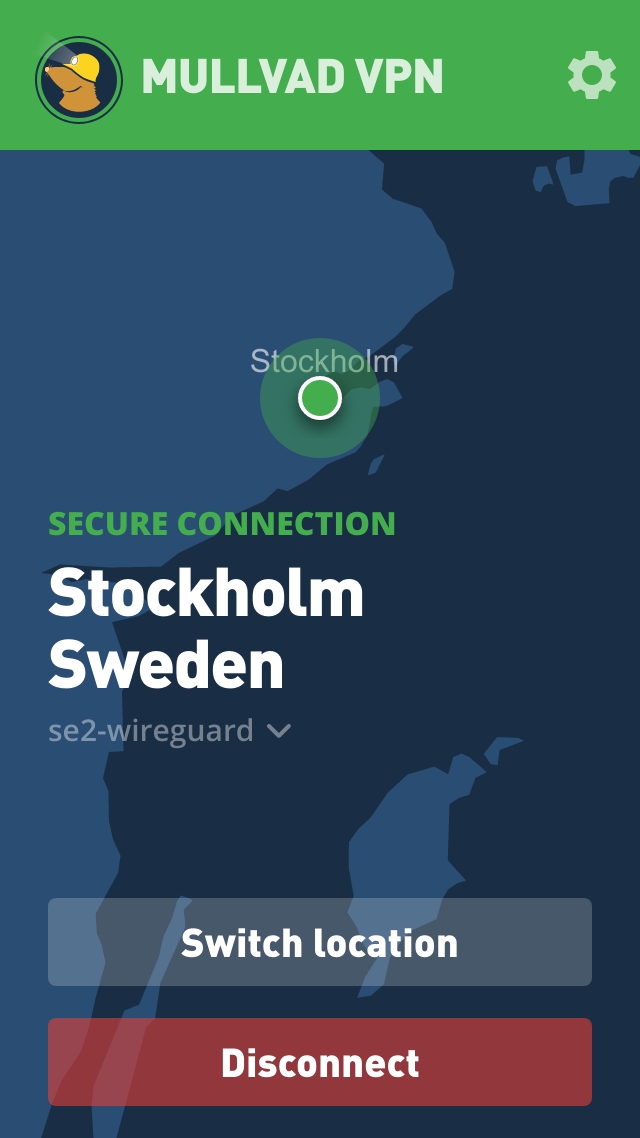
Mullvad (Autor: Newslinger · Licencia: CC0 · Fuente: Wikimedia Commons)
Readers will encounter three recurring formats: expert recommendations, step-by-step setup paths, and side-by-side comparisons. Each post aims to answer practical questions without overpromising. We embrace real-world constraints like platform ecosystems, ISP realities, and release timelines for protocol updates.
Four concrete sub-areas you’ll see frequently include: provider profiles, policy and privacy explainers, setup and usage demos, and region-aware access considerations. For example, you might see how a user in the United States compares ExpressVPN vs NordVPN on streaming access, or how WireGuard configurations differ between Windows, macOS, iOS, and Android. Is Private Internet Access available in Germany
Below is a quick, practical rundown you can skim for strategy.
Pricing snapshots: USD-style price points for popular plans (monthly, annual, multi-year), with typical discounts shown for context. Example: ExpressVPN often lists around $12.95/mo on annual terms, while NordVPN hovers near $11.99/mo when billed yearly.
Protocol and security: How WireGuard, OpenVPN, and IKEv2 affect speed and stability, plus default encryption levels and logging policies.
Regional availability: Where each service operates, payment methods by country, and any geo-specific limitations for features like streaming unblocking.
Privacy posture: Jurisdiction, data-retention practices, and independent audits when available.
Streaming and access: Which services reliably unlock content in common markets, and any cautions about VPN blocks.
Device and platform support: Desktop, mobile, browser extensions, routers, and smart TVs compatibility notes.
Practical how-tos: Quick-starts for common tasks such as connecting to a VPN, selecting a server, or enabling kill switch features.
Recommendations for specific needs: Privacy-first browsing, gaming, remote work, or travel considerations.
Regional specifics you can expect
While this site maintains a general international stance, we frequently surface country-specific nuances to help readers compare options in realistic contexts. For instance, we note how a user in the United States might evaluate latency to U.S. streaming services and weigh plans that support multiple simultaneous connections, while also considering the privacy landscape shaped by U.S. regulations and retailer payment options. We also reference common local payment methods such as major credit cards and regional wallets, and we mention examples of regulatory signals that influence consumer choice. When feasible, we include named cities within illustrative scenarios, like New York, Los Angeles, Chicago, or Seattle, to anchor performance expectations in real-world locations.
What to expect next: a steady stream of posts that compare popular services, break down pricing, and translate technical details into practical decisions. If you are evaluating NordVPN vs ExpressVPN for streaming or privacy-conscious browsing, you will find side-by-side tables, plain-language summaries, and references to current plans. We present USD pricing and typical promotions so you can gauge value at a glance.
Regional availability and performance (Regional specifics you can expect)
We will routinely illustrate with concrete examples and current data. For instance, a future post might compare:
NordVPN vs ExpressVPN: price, devices, and feature parity
WireGuard performance across Windows, macOS, iOS, and Android
Streaming access tests for Netflix and Hulu from the US and abroad
Privacy law context in US vs EU vs UK and how it affects service choices
Payment method availability by country and how that impacts sign-ups
Side-by-side comparison
Provider
Plan
Price (USD)
Key Features
NordVPN
2-year plan
$11.99/mo (billed $143.88)
WireGuard, OpenVPN, 6 devices, kill switch
ExpressVPN
1-year plan
$12.95/mo (billed $155.40)
WireGuard, OpenVPN, 5 devices, private DNS
Surfshark
2-year plan
$2.49/mo (billed $59.76)
Unlimited devices, CleanWeb, UDP/TCP
Prices reflect USD and promo terms common across major markets, with typical annual promotions and regional taxes varying by country. We aim to present useful, action-ready guidance without tying readers to a single provider.